A commercial roof protects your building, inventory, employees, customers, and daily operations. When small issues go unnoticed, they can turn into leaks, damaged insulation, mold, and costly emergency repairs.
A clear Commercial Roof Maintenance plan helps your team stay ahead of problems. It also helps you document roof conditions, plan repairs, and protect your long-term investment.
Use this checklist as a practical starting point. For deeper help, schedule Commercial Roof Maintenance and Inspections with an experienced commercial roofing contractor.
Why Commercial Roof Maintenance Matters
Commercial roofs face heat, storms, foot traffic, debris, ponding water, and rooftop equipment activity. These conditions can wear down membranes, seams, flashings, drains, and coatings over time.
A preventive roof maintenance plan helps identify weak points before water enters the building. It also helps reduce surprise repair costs and business disruptions.
Property managers often focus on interior systems first. The roof deserves the same attention because it shields everything below it.
How Often Should You Inspect a Commercial Roof?
Most commercial roofs should receive inspection at least twice per year. Schedule one inspection in spring and another in fall.
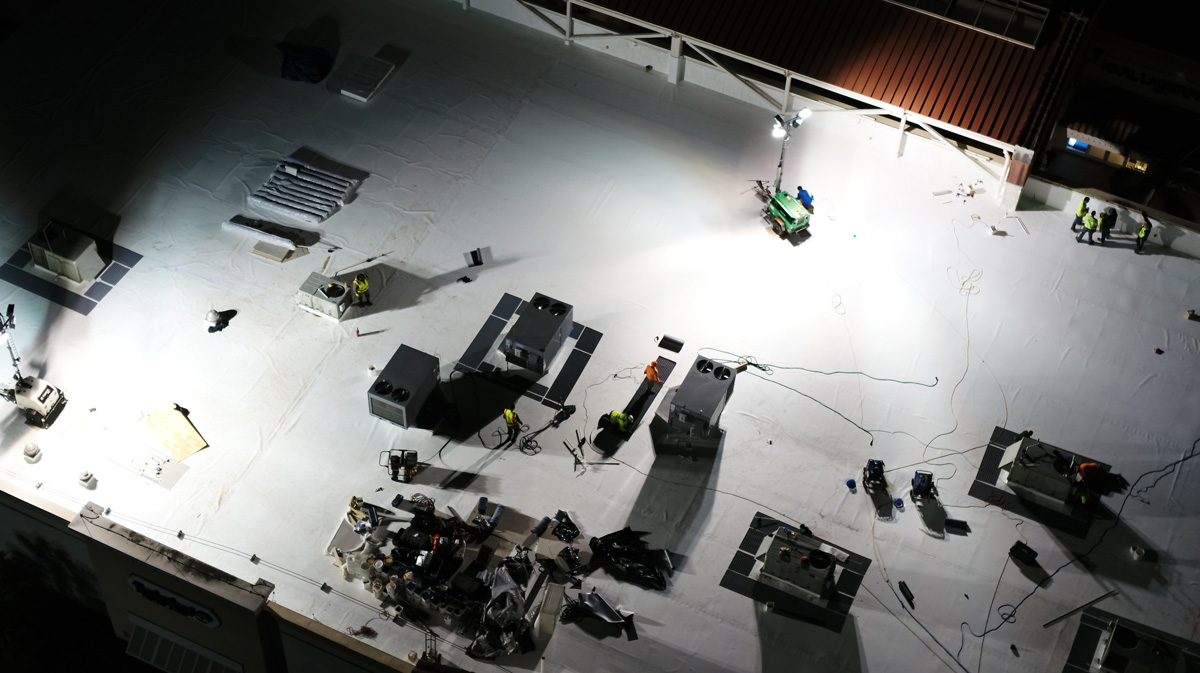
You should also inspect the roof after major storms, high winds, hail, hurricanes, or heavy rooftop work. HVAC repairs, solar work, and other trade activity can damage roof surfaces.
Use this commercial roof inspection guide to create a routine. Keep photos, notes, dates, and repair records for every inspection.
Commercial Roof Maintenance Checklist
1. Check Roof Drains, Gutters, and Scuppers
Clear leaves, dirt, trash, and roof debris from all drainage areas. Blocked drains can cause ponding water and structural stress.
Look for standing water after rain. Water that remains too long can damage the roof system.
2. Inspect the Roof Membrane
Look for punctures, cracks, blisters, tears, wrinkles, or open seams. These issues can allow water into the roof assembly.
Pay close attention to TPO, EPDM, PVC, modified bitumen, and built-up roof surfaces. Each system has different warning signs.
3. Review Flashings and Roof Edges
Check flashings around walls, curbs, skylights, vents, and roof edges. Flashing problems cause many commercial roof leaks.
Look for loose metal, cracked sealant, lifted edges, and open laps. Repair these issues before the next heavy rain.
4. Inspect Rooftop Equipment
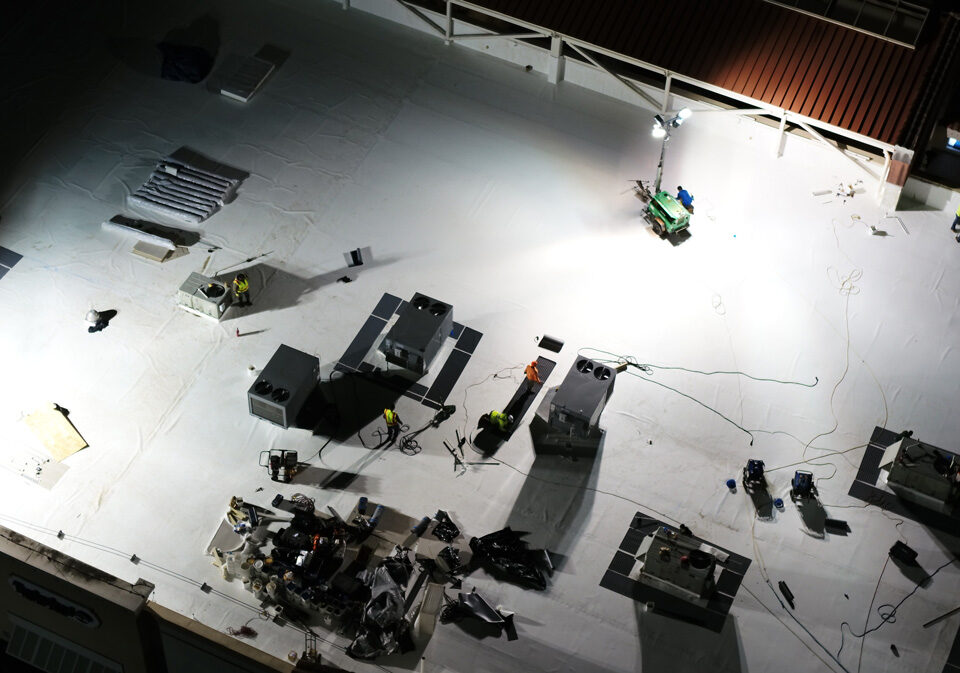
Check areas around HVAC units, vents, pipes, and equipment curbs. These areas often see extra foot traffic and vibration.
Look for damaged pipe boots, loose panels, cracked sealants, and exposed fasteners. Report any mechanical damage quickly.
5. Remove Debris From the Roof
Remove branches, trash, leaves, tools, and loose materials from the roof. Debris can trap moisture and damage the membrane.
Do not drag equipment across the roof surface. Use walk pads when technicians need regular access.
6. Check Sealants and Penetrations
Sealants can crack, shrink, or separate from the surface. Inspect every penetration during each maintenance visit.
Do not rely on caulk alone for major roof repairs. A qualified roofer should repair membrane or flashing defects correctly.
7. Look for Interior Warning Signs
Walk the interior after heavy rain. Look for stains, damp ceiling tiles, odors, bubbling paint, or wet insulation.
Interior signs can help pinpoint roof issues early. Fast action can limit damage and reduce repair costs.
8. Document Every Finding
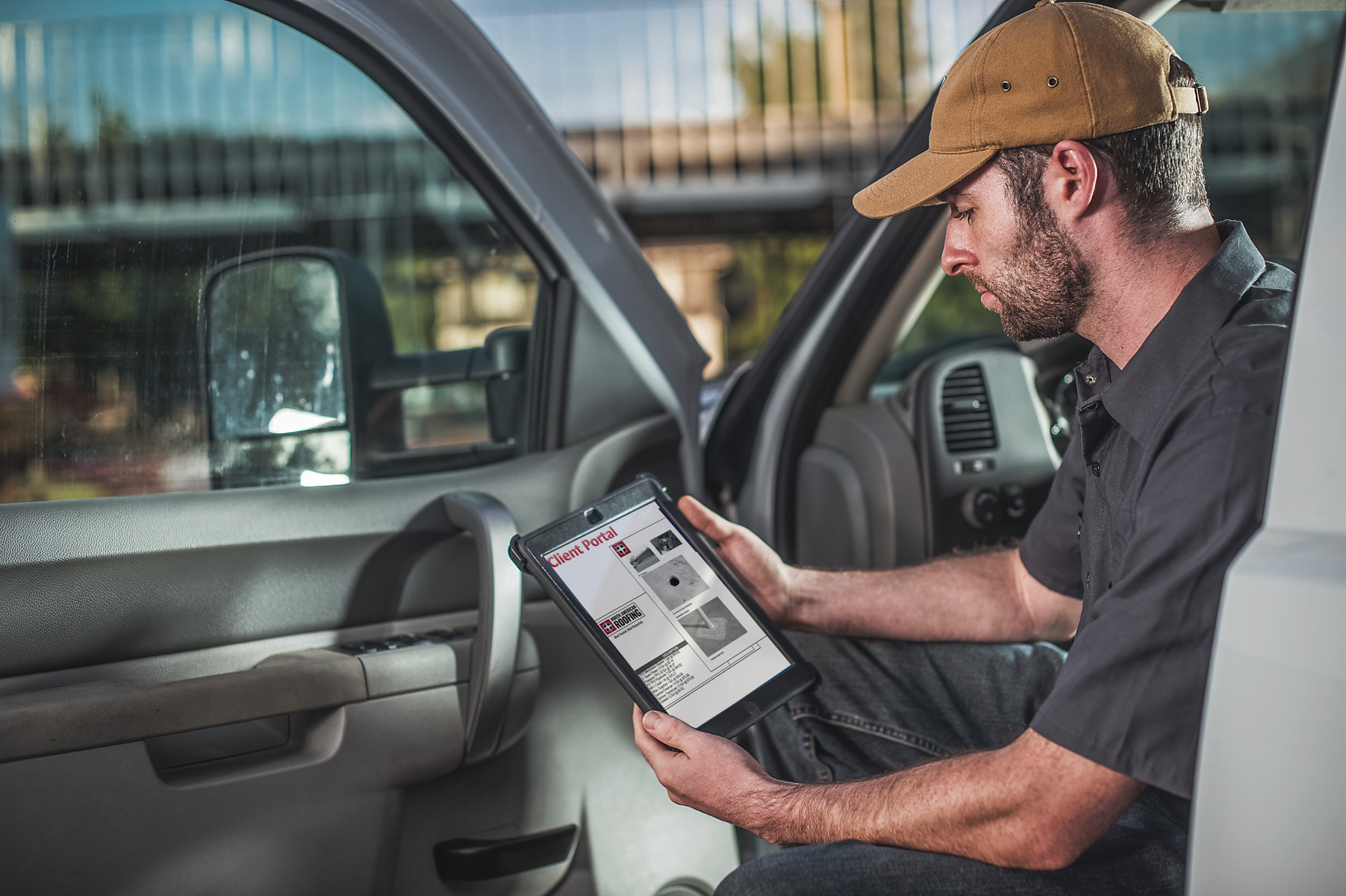
Take photos of roof conditions, repairs, and problem areas. Save inspection notes with dates and roof section details.
Good records help track recurring issues. They also support warranty claims, budgeting, and future replacement planning.
Benefits of Roof Maintenance Plans
The benefits of roof maintenance plans go beyond leak prevention. A plan can help lower repair costs, improve safety, and extend roof performance.
A maintenance plan also gives building owners a clear schedule. This reduces guesswork and keeps roof care from slipping through the cracks.
Regular inspections can help you plan capital expenses. They also help your team avoid costly emergency decisions.
How Maintenance Extends Roof Life
How maintenance extends roof life comes down to timing. Small repairs cost less when you catch them early.
Water intrusion can spread beneath the membrane before anyone sees a stain. Routine maintenance helps stop that damage before it grows.
A maintained roof can perform longer than a neglected roof. It can also protect your warranty, budget, and building operations.
FAQ
What should a commercial roof maintenance checklist include?
A commercial roof maintenance checklist should include drains, membrane areas, flashings, penetrations, rooftop equipment, debris, sealants, and interior leak signs. It should also include photos and written notes.
How often should I schedule Commercial Roof Maintenance and Inspections?
Most buildings need Commercial Roof Maintenance and Inspections at least twice per year. You should also schedule inspections after severe weather or rooftop contractor activity.
What is preventive roof maintenance?
Preventive roof maintenance means finding and fixing roof issues before they cause leaks. It includes inspections, cleaning, documentation, and timely repairs.
Why do commercial roofs leak?
Commercial roofs often leak because of damaged flashings, clogged drains, open seams, punctures, or failed sealants. Rooftop equipment work can also cause leaks.
Can maintenance extend commercial roof life?
Yes. Regular maintenance can extend roof life by catching small issues early. It also helps protect the roof system from avoidable damage.
Do I need a professional commercial roof inspection guide?
A commercial roof inspection guide helps your team check common risk areas. A professional roofer can provide a deeper inspection and repair plan.
When to Call a Commercial Roofing Contractor
Call a commercial roofing contractor if you see active leaks, ponding water, damaged flashing, open seams, or storm damage. You should also call after major rooftop equipment work.
North American Roofing helps building owners protect commercial, industrial, and low-slope roofing systems. A professional inspection can reveal problems that a quick visual check may miss.
If you need Commercial Roof Maintenance, start with a documented inspection. Then create a repair plan based on roof condition, risk, and budget. Call (800) 551-5602