A commercial roof protects your building, inventory, equipment, employees, and daily operations. However, weather and normal activity gradually wear down every roof system.
Small problems can quickly spread beneath the roof membrane. Water can damage insulation, decking, ceilings, electrical systems, and valuable interior assets.
Regular Commercial Roof Maintenance helps building owners find those problems before major damage occurs. Inspections also support budgeting, warranty compliance, and long-term facility planning.
Why Commercial Roof Maintenance and Inspections Matter
Commercial roofs face intense sunlight, wind, rain, hail, debris, temperature changes, and frequent foot traffic. Each condition can weaken vulnerable roof areas.
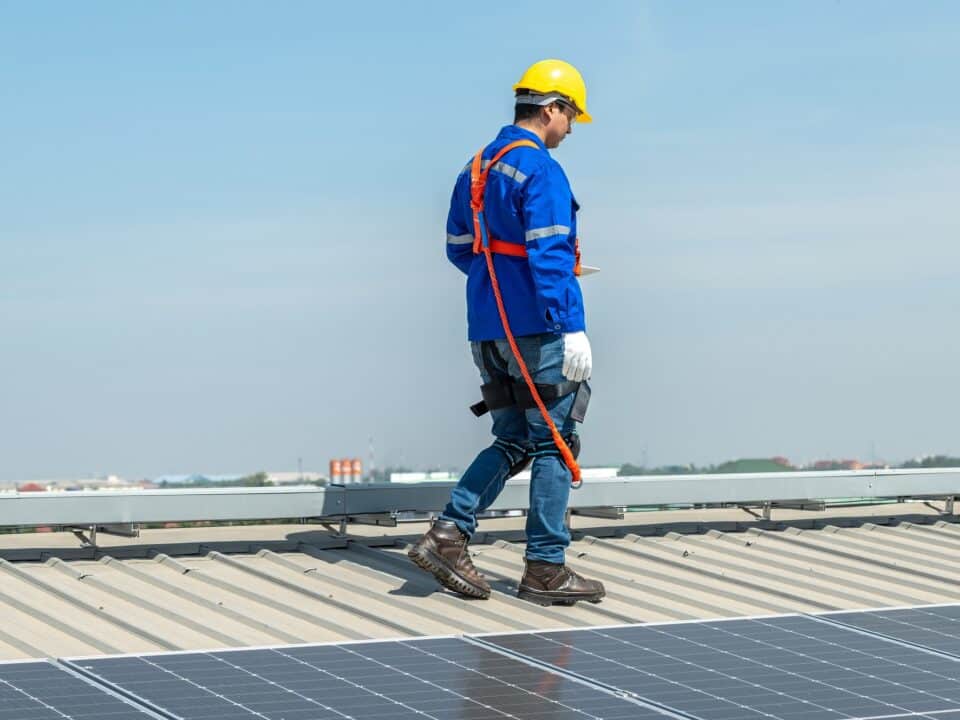
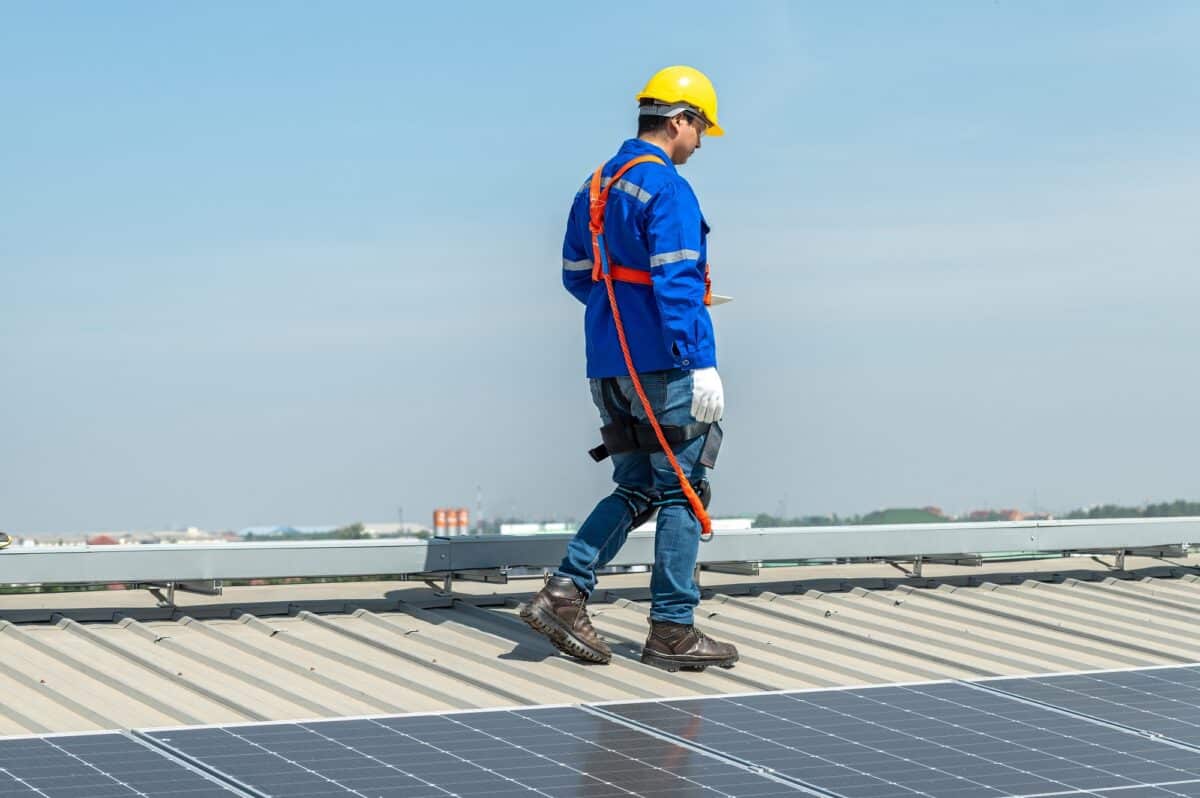
HVAC technicians and other contractors may also damage membranes during rooftop work. Dropped tools, sharp panels, and heavy equipment can create punctures.
A consistent inspection schedule helps your team catch damage early. Prompt repairs can stop water before it reaches the roof assembly.
Regular maintenance also gives building owners clearer information about roof condition. That information supports better repair and replacement decisions.
How Maintenance Helps Protect Commercial Roof Life
Most roof problems begin as small defects. Open seams, cracked sealants, loose flashings, and blocked drains may appear minor.
Over time, these problems allow moisture into the roofing system. Trapped moisture can reduce insulation performance and accelerate material deterioration.
Preventive roof maintenance addresses vulnerable areas before damage spreads. A qualified contractor can inspect, document, clean, and repair the roof.
This proactive approach can help you:
- Reduce unexpected roof leaks
- Limit emergency repair expenses
- Protect insulation and roof decking
- Maintain safer building conditions
- Support manufacturer warranty requirements
- Plan future roofing expenses
- Extend the roof’s useful service life
How Often Should You Inspect a Commercial Roof?
Schedule professional roof inspections at least twice each year. Spring and fall often provide practical inspection windows.
Spring inspections can identify damage from winter conditions. Fall inspections help prepare the roof for colder weather and seasonal storms.
You should also schedule an inspection after severe weather. High winds, hail, hurricanes, and heavy rain can damage roof components.
Inspect the roof after major HVAC, electrical, solar, or mechanical work. Contractors may accidentally puncture membranes or disturb flashings.
Every facility has different risks. Roof age, system type, climate, drainage, and rooftop activity should guide your inspection schedule.
What Does a Commercial Roof Inspection Include?
A professional inspection should cover the entire roofing system. Inspectors should also review interior areas for possible moisture clues.
A useful commercial roof inspection guide should include these important areas.
Roof Membrane
Inspectors check the membrane for punctures, tears, blisters, cracks, wrinkles, and open seams. They also inspect previous repair areas.
Different systems show different warning signs. TPO, PVC, EPDM, coatings, and modified bitumen each require specific inspection methods.
Flashings and Roof Edges
Flashings protect transitions around walls, curbs, penetrations, and roof edges. Damaged flashings often create direct paths for water.
Inspectors look for lifted metal, failed sealants, open laps, loose fasteners, and separated materials.
Drains, Gutters, and Scuppers
Clear drainage helps move water away from the roof. Leaves, trash, roofing materials, and sediment can block drainage paths.
Blocked drains may cause ponding water. Standing water can increase roof stress and accelerate membrane deterioration.
Rooftop Equipment
HVAC units, pipes, vents, skylights, and equipment curbs create vulnerable roof areas. Movement and vibration can weaken nearby materials.
Inspectors should check pipe boots, curbs, sealants, fasteners, access panels, and surrounding membranes.
Walkways and High-Traffic Areas
Technicians often follow the same routes across a commercial roof. Regular traffic can wear down exposed roofing surfaces.
Walk pads can protect common access routes. Inspectors should identify damaged or missing pads during every visit.
Interior Warning Signs
Interior conditions can reveal hidden roof problems. Look for stains, damp ceiling tiles, odors, bubbling paint, or visible moisture.
Document the location of each interior sign. This information may help the roofer locate the source.
Use a Commercial Roof Maintenance Checklist
A documented commercial roof maintenance checklist creates consistency across inspections. It also helps facility teams track recurring concerns.
Your checklist should include:
- Roof membrane conditions
- Seams and previous repairs
- Flashings and roof edges
- Drains, gutters, and scuppers
- Rooftop equipment and penetrations
- Walk pads and traffic areas
- Debris and loose materials
- Ponding water
- Interior moisture signs
- Photos and written notes
- Completed repairs
- Recommended follow-up work
Keep records from every inspection. Include dates, photographs, roof sections, repair details, invoices, and contractor recommendations.
Good documentation supports budgeting and warranty discussions. It also helps future contractors understand the roof’s service history.
Preventive Roof Maintenance Versus Reactive Repairs
Reactive roof care begins after a leak disrupts building operations. At that point, water may already have caused hidden damage.
Preventive roof maintenance begins before leaks appear. Scheduled inspections identify concerns while repairs remain manageable.
Emergency repairs still play an important role. However, building owners should not rely only on emergency service.
A proactive program creates fewer surprises. It also provides more control over maintenance schedules and roofing expenses.
Benefits of Roof Maintenance Plans
The benefits of roof maintenance plans extend beyond basic leak prevention. A structured program creates an ongoing roof management process.
Professional plans can include scheduled inspections, minor maintenance, condition reports, repair recommendations, and emergency support.
This approach helps facility teams prioritize repairs across multiple buildings. It also helps owners prepare capital budgets with better information.
North American Roofing offers StarCare™ options for different roof conditions and business needs. These programs support proactive inspections and long-term roof management.
Common Problems Inspections Can Find Early
Regular inspections often uncover defects before building occupants notice a leak. Common findings include:
- Loose or separated seams
- Cracked or shrinking sealants
- Membrane punctures
- Damaged flashings
- Clogged roof drains
- Loose metal components
- Deteriorated pipe boots
- Ponding water
- Storm damage
- Damage from other contractors
- Wet insulation
- Failing previous repairs
Addressing these issues early can limit the affected area. Early action may also reduce labor, material, and interior restoration costs.
When Should You Call a Commercial Roofing Contractor?
Contact a commercial roofing contractor when you notice active leaks, standing water, damaged seams, loose flashing, or membrane punctures.
You should also call after major storms or rooftop construction. A professional can identify damage that casual observation may miss.
Avoid allowing untrained personnel to make permanent roof repairs. Incorrect materials or methods may create more damage.
North American Roofing provides inspections, repairs, emergency service, and Commercial Roof Maintenance programs for commercial and industrial facilities.
Protect Your Roof Before Small Problems Grow
Commercial roof maintenance and inspections help protect your roof, building, budget, and operations. A consistent program reduces uncertainty and supports better planning.
Begin with a documented professional inspection. Then address urgent repairs and create a maintenance schedule based on actual roof conditions.
North American Roofing has serviced commercial and industrial roofing systems since 1979. Call (800) 551-5602 to discuss your facility’s needs.
Frequently Asked Questions
How often should a commercial roof receive an inspection?
Schedule inspections at least twice yearly. Add inspections after severe weather, rooftop construction, or major mechanical work.
What does commercial roof maintenance include?
Maintenance includes inspections, debris removal, drainage cleaning, documentation, minor repairs, and recommendations for larger corrective work.
Can roof maintenance extend roof life?
Regular maintenance can help extend roof life. Early repairs prevent minor defects from causing widespread moisture damage.
What problems commonly cause commercial roof leaks?
Open seams, damaged flashings, punctures, blocked drains, failed sealants, and rooftop equipment work commonly cause leaks.
Why should building owners document roof inspections?
Documentation tracks roof conditions, completed repairs, recurring problems, and future needs. Records may also support warranty discussions.
Should I inspect my roof after a storm?
Yes. Schedule an inspection after hail, high winds, hurricanes, heavy rain, or other severe weather.
What are the benefits of roof maintenance plans?
Maintenance plans create consistent inspections, clearer documentation, faster repairs, better budgeting, and fewer unexpected roofing problems.