TPO Roof vs EPDM for Commercial Flat Roofs
Choosing between a TPO roof vs EPDM often comes down to building needs, climate, budget, and energy goals. Both systems work well on flat and low-slope commercial roofs. Each option offers proven performance, but they solve different problems.
TPO stands for thermoplastic polyolefin. EPDM stands for ethylene propylene diene monomer. TPO uses a heat-welded thermoplastic membrane. EPDM uses a synthetic rubber membrane with taped or adhered seams.
Many property owners compare these systems during roof replacement planning. They want a roof that controls leaks, handles weather, and supports long-term value. A qualified commercial roofing contractor can inspect the building and recommend the right fit.
What Is a TPO Roof?
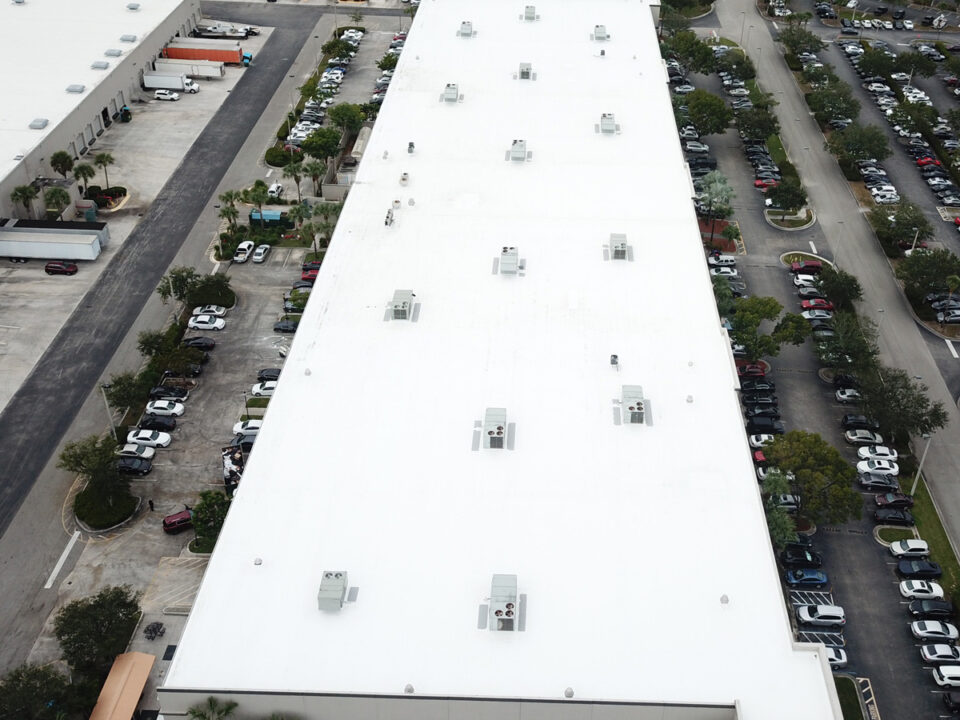
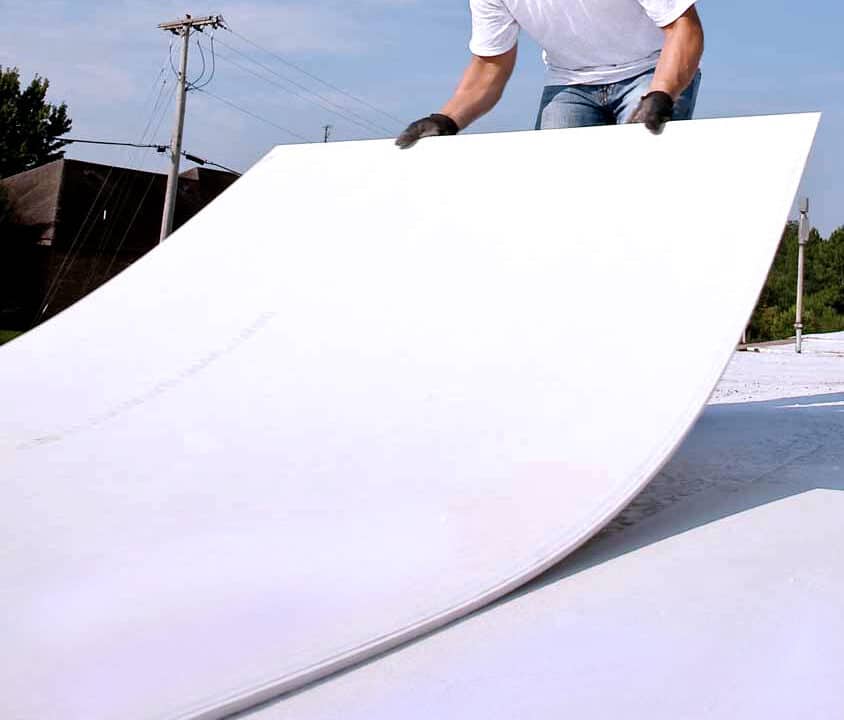
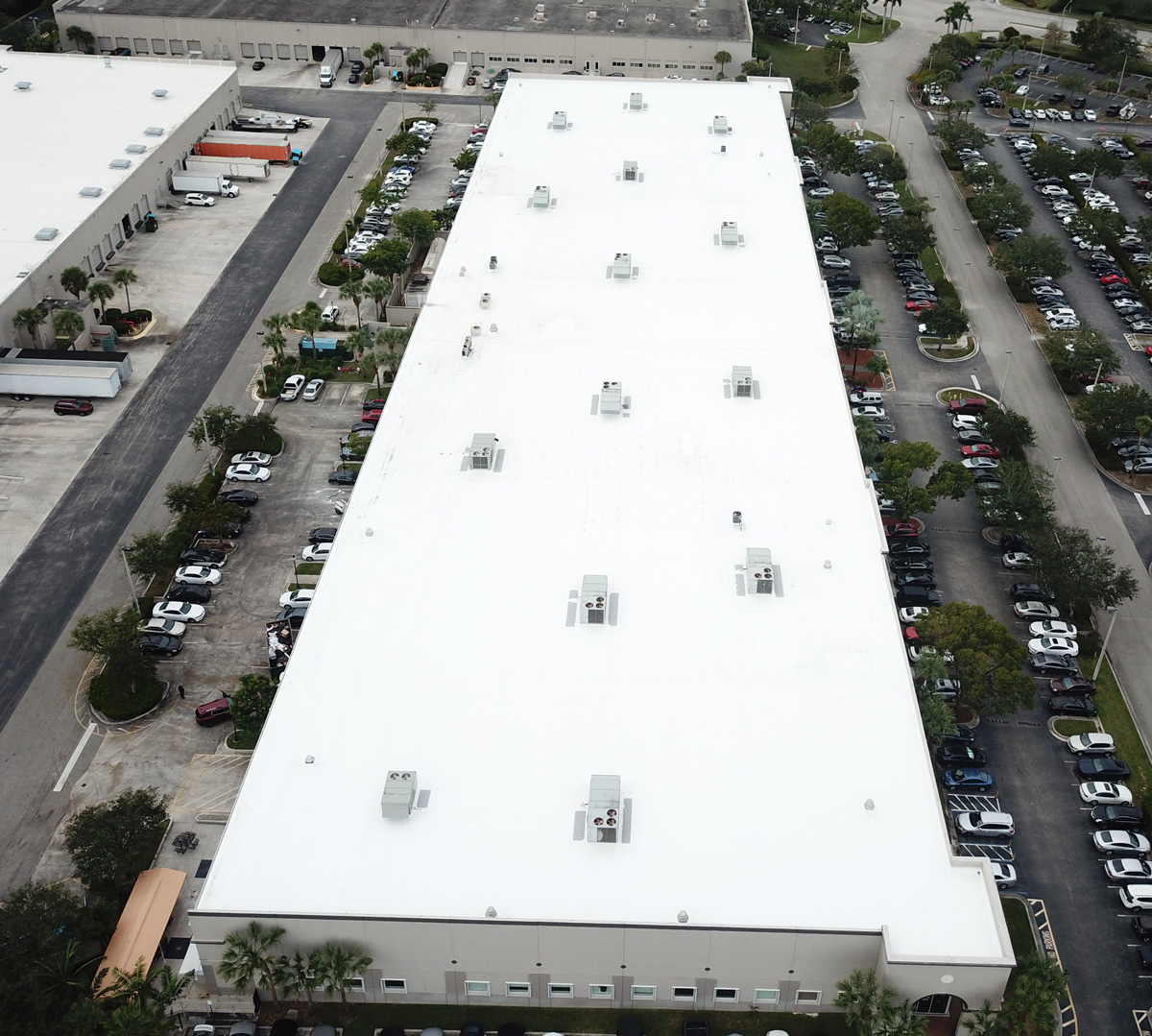
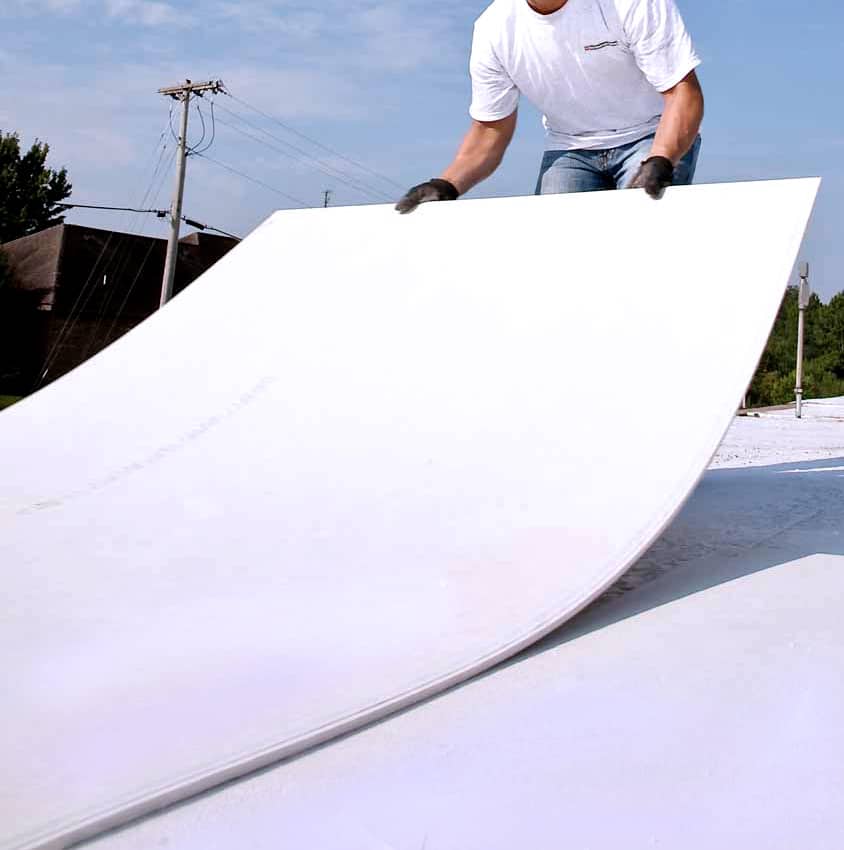
TPO roofing uses a single-ply membrane for flat and low-slope commercial roofs. Many building owners choose it for reflectivity, seam strength, and value. A white thermoplastic tpo membrane roof can help reduce rooftop heat gain.
TPO seams get welded with hot air. That creates strong bonds across the roof surface. This feature makes TPO attractive for large commercial buildings with many seams.
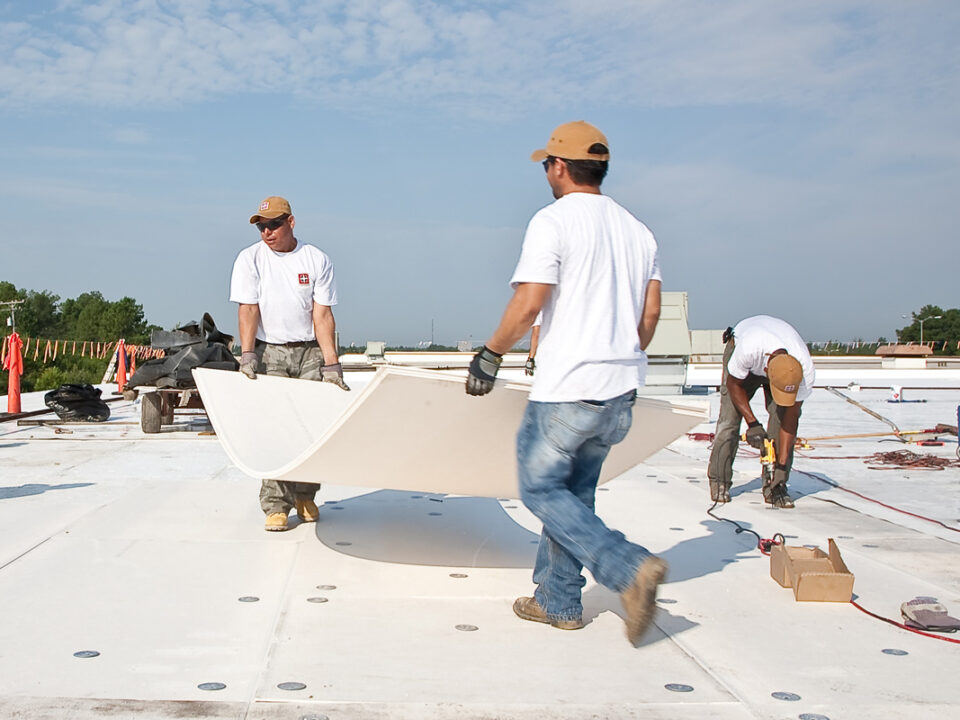
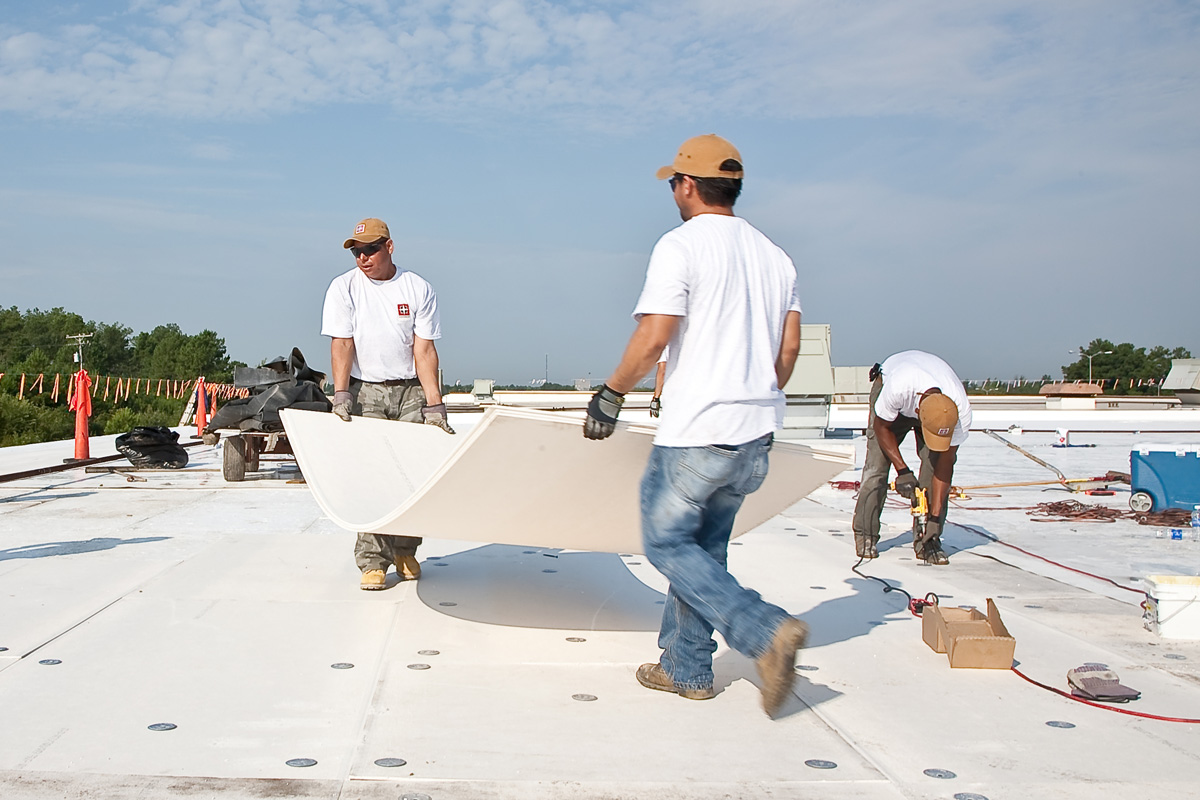
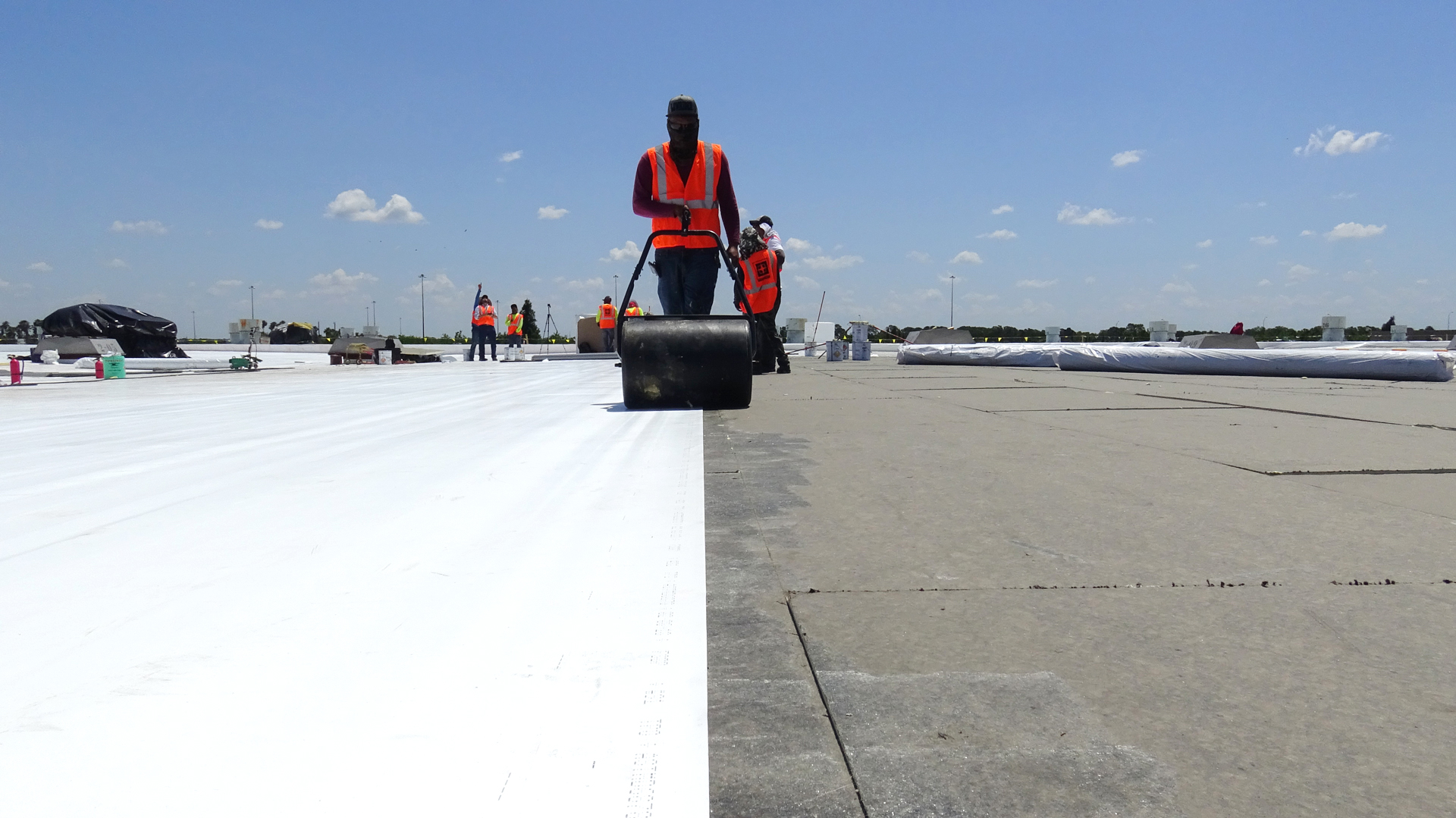
Teams often choose TPO for warehouses, retail centers, office buildings, and industrial facilities. It performs well when crews install it correctly. The tpo roofing installation process also supports several attachment methods.
Building owners researching what is tpo roofing often focus on energy efficiency first. That makes sense in warm climates. White TPO can reflect sunlight and help support cooler roof surfaces.
What Is an EPDM Roof?
EPDM roofing uses a durable synthetic rubber membrane. It has a long track record in commercial roofing. Many facility managers choose EPDM for flexibility, weather resistance, and proven performance.
EPDM often comes in black, although white options exist. Black EPDM can help absorb heat in cooler regions. That feature may benefit buildings in northern climates.
EPDM works well on large roof areas with fewer penetrations. It also handles movement and temperature changes well. Crews typically install EPDM with adhesive, ballast, or mechanical attachment.
TPO Roof vs EPDM: Key Differences
TPO and EPDM both protect commercial buildings from water intrusion. The biggest differences involve seams, reflectivity, appearance, and installation methods.
TPO has heat-welded seams. EPDM usually uses seam tape or adhesives. Heat-welded seams can give TPO an advantage in waterproofing when crews install them properly.
TPO usually offers better reflectivity in white membranes. EPDM often comes in black, which absorbs more heat. This difference can matter in Florida and other warm markets.
EPDM offers strong flexibility. It can handle expansion and contraction very well. That makes it a dependable choice for many large commercial roofs.
TPO Roofing Advantages
The biggest tpo roofing advantages include reflectivity, seam strength, and broad commercial use. TPO can help buildings manage heat exposure. It also offers a clean appearance for visible roof areas.
TPO may also help reduce cooling demand on some buildings. Results depend on insulation, building design, roof condition, and climate. A roofing professional can review those details during inspection.
TPO also works well for many replacement projects. Crews can often install it over approved insulation or recovery boards. The roof assembly must meet building code and manufacturer requirements.
EPDM Roofing Advantages
EPDM offers strong durability and a long service history. It performs well in many climates. It also handles temperature swings and building movement effectively.
Many building owners like EPDM because it has simple repair options. Contractors can patch damaged areas without replacing large roof sections. That can help control maintenance costs over time.
EPDM may also provide a cost-effective option for large roof areas. It works especially well when energy reflectivity does not drive the decision.
Which Roof Lasts Longer?
Many owners ask, how long does a tpo roof last? A well-installed TPO roof can often last 20 years or more. Maintenance, drainage, weather, foot traffic, and installation quality all affect service life.
EPDM can also last 20 years or more with proper care. Some EPDM roofs perform longer when owners maintain them well. Regular inspections help both systems last longer.
No membrane performs well without proper drainage. Standing water, clogged drains, and neglected repairs shorten roof life. Preventive maintenance protects the investment.
TPO Roof vs PVC and EPDM
Some owners compare tpo roof vs pvc before choosing EPDM or TPO. PVC offers strong chemical resistance and heat-welded seams. TPO often provides strong value and reflectivity.
EPDM still earns attention because of its flexibility and proven history. The best system depends on building use, rooftop exposure, budget, and long-term plans. Food processing, manufacturing, and retail buildings may need different roof assemblies.
How to Choose the Right Commercial Roof
Start with a professional roof inspection. The contractor should review membrane condition, insulation, drainage, deck type, and rooftop equipment. That review helps identify hidden issues before replacement.
Next, compare long-term goals. Some owners want energy savings. Others need simple maintenance or a lower upfront cost. Many need a balance of performance and budget.
North American Roofing helps commercial building owners evaluate TPO, EPDM, PVC, coatings, and other roof systems. Our team can recommend a practical solution based on roof condition and business needs.
Final Thoughts on TPO Roof vs EPDM
TPO and EPDM both offer dependable commercial roofing options. TPO often fits buildings that need reflectivity and heat-welded seams. EPDM often fits projects that need flexibility and proven durability.
The right choice starts with the building, not the membrane. A roof inspection can show which system makes the most sense. North American Roofing can help you compare options and plan the right next step.