


Commercial roofs take a daily beating. Sun, rain, wind, and foot traffic all add up.
That is why many owners look at roof coating options before a full replacement. A coating can help protect a roof and extend service life. Still, not every roof is a good coating candidate. And not every coating works the same way.
Here is a clear look at roof coating systems for commercial buildings.
What is a roof coating?
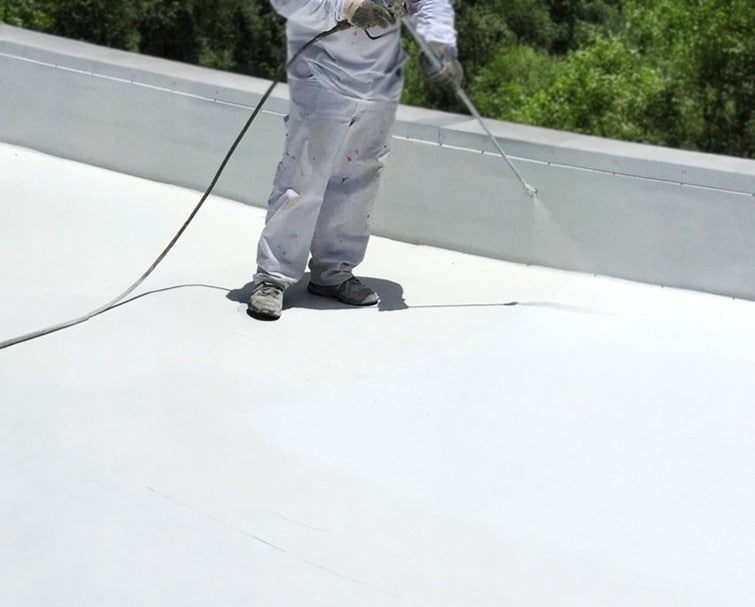
A roof coating is a fluid-applied system installed over an existing roof surface. After curing, it forms a continuous protective layer. Many coating systems reflect sunlight. That can help lower rooftop temperatures.
A coating can also help seal minor surface wear.
It can improve weather resistance on the right substrate.
What is an elastomeric roof coating?
An elastomeric roof coating is a coating that stretches and moves with the roof. That flexibility helps it handle normal expansion and contraction. Acrylic products are common elastomeric options. Silicone products are also popular in restoration work.
NAR’s internal proposal examples show acrylic elastomeric systems used on commercial projects. Those scopes include cleaning, seam prep, flashing work, and warranty-backed installation.
Why commercial owners choose roof coating systems
A coating system can be attractive for several reasons.
1. Lower disruption
A restoration project often creates less disruption than a tear-off.
That matters for occupied buildings.
2. Extended roof life
A coating can add useful service life to a roof in restorable condition.
It may delay capital replacement.
3. Improved reflectivity
Many white coatings reflect sunlight well.
Insights from GAF suggest that can support energy goals on some buildings.
4. Targeted waterproofing
Coatings help protect the roof surface from weathering and UV exposure.
Some systems also perform well around seams and penetrations.
5. Budget flexibility
For the right roof, restoration can cost less than replacement. It also helps spread capital planning over time.
Which commercial roofs can be coated?
A coating system may work on several commercial roof types, including:
- Metal roofs
- Modified bitumen roofs
- Built-up roofs
- Some single-ply roofs
- Spray polyurethane foam roofs
- Previously coated roofs
The key phrase is the right roof. The roof must be a good candidate first.
Manufacturers and contractors usually check for trapped moisture, adhesion, drainage, and substrate condition. A roof with major damage may need replacement instead.
Common roof coating types
Acrylic roof coating
Acrylic coatings are popular because they are reflective and cost-effective. They are often used where UV protection matters. Acrylic systems usually need a clean, dry roof with positive drainage. They are often specified for metal and asphaltic restoration.
Silicone roof coating
Silicone coatings are often chosen when ponding water is a concern. They also offer strong weather resistance. They can work well on metal, asphaltic, aged single-ply, and coated roofs.
Polyurethane and specialty systems
Some projects need tougher impact resistance or a specific chemistry. That is where specialty systems may fit best. The right answer depends on the substrate, exposure, and building goals.
What a commercial roof coating system includes
A quality coating project is more than rolling on white product.
Preparation drives performance.
A typical system may include:
- Roof inspection and qualification
- Moisture review
- Surface cleaning
- Seam and fastener treatment
- Flashing reinforcement
- Base coat, if needed
- Finish coat at specified coverage
- Final inspection and warranty documentation
GAF’s published restoration steps follow this same logic.
NAR proposal language does too.
When a roof coating makes sense
A roof coating often makes sense when:
- The roof is still structurally sound
- Wet insulation is limited or absent
- The substrate can support adhesion
- The building owner wants life extension
- A full replacement is not yet necessary
NAR also presents coatings as part of broader protection and maintenance options. That aligns well with restoration planning for commercial portfolios.
When a coating may not be the best choice
A coating may not fit when:
- The roof has widespread trapped moisture
- The deck or insulation has failed
- Drainage problems are severe
- The membrane is too deteriorated
- The building needs a new system for code or warranty reasons
That is why inspection comes first. The coating should match the roof, not the other way around.
Roof coating vs. roof replacement
A coating restores and protects an existing roof surface. A replacement removes or recovers the old system. Replacement is usually the better choice when the roof has reached the end. Coating is often the better choice when the roof still has recoverable value.
A strong contractor helps you decide with inspection data, photos, and clear recommendations. That keeps emotion out of the budget meeting.
Final thoughts
A commercial roof coating can be a smart restoration strategy. But it only works when the roof qualifies. An elastomeric roof coating can deliver flexibility, reflectivity, and weather protection. Still, the system must match the roof condition and building goals.
The best next step is simple. Start with a professional roof evaluation.
FAQ
What is a roof coating system?
A roof coating system is a fluid-applied layer installed over an existing commercial roof. It creates a continuous protective surface.
What is an elastomeric roof coating?
An elastomeric roof coating is a flexible coating that stretches with normal roof movement. Acrylic and silicone systems are common examples.
Can every commercial roof receive a coating?
No. The roof must be structurally sound and dry enough for restoration. Some roofs need replacement instead.
How long does a roof coating last?
Service life depends on the coating type, roof condition, coverage rate, and maintenance plan. Warranty length also varies by system.
Is acrylic or silicone better for a commercial roof?
Neither is always better. Acrylic often fits reflective restoration goals. Silicone often fits roofs with ponding water concerns.
Does a roof coating replace roof repairs?
No. Repairs and surface preparation come first. A coating should go over a qualified, properly prepared roof.
Can a roof coating help with energy savings?
Many white coatings are highly reflective. That can help reduce rooftop heat gain on some buildings.
What is the first step before choosing a coating?
Schedule a commercial roof inspection. The roof condition should drive the recommendation.
Not sure if your roof is a good coating candidate? Contact North American Roofing for a professional evaluation and a clear recommendation. Call (800) 551-5602
