Flat roofs protect warehouses, retail centers, offices, schools, and industrial facilities every day. They also face constant exposure from heat, storms, foot traffic, drainage issues, and rooftop equipment.
When problems start, small damage can grow fast. A minor puncture, open seam, or clogged drain can lead to interior leaks. Fast flat roof repair helps protect your property, inventory, employees, and operations.
North American Roofing helps commercial property owners find the right repair path. Sometimes your roof needs a targeted repair. Other times, it needs restoration, coating, or replacement planning.
Why Flat Roofs Need Timely Repair
Flat roofs do not shed water like steep roofs. They rely on proper slope, drains, scuppers, gutters, seams, and flashings. When one part fails, water can stay on the roof too long.
Ponding water can stress the roof membrane. It can also speed up aging around seams and penetrations. Over time, that water can find weak spots.
Commercial flat roof repair helps stop damage before it spreads. It also gives facility teams a better view of roof condition. That matters when budgets, tenants, and business operations depend on dry space.
Common Signs You Need Flat Roof Repair
The signs your commercial roof needs repair can start small. A stain, drip, open seam, or clogged drain may point to a bigger issue. Early action helps reduce interior damage and future repair costs. You should schedule a roof inspection when you notice warning signs. Interior leaks often appear after the roof problem has already grown.
Watch for these issues:
- Water stains on ceilings or walls
- Drips near HVAC units or roof drains
- Ponding water after rain
- Blisters, bubbles, or soft areas
- Open seams or loose membrane
- Cracked flashing around curbs
- Damaged pipe boots or pitch pockets
- Loose edge metal or coping
- Debris blocking drains or scuppers
- Mold odors or damp insulation concerns
Do not wait for the next storm to confirm the problem. A professional commercial roof inspection can locate damage early. NRCA explains that regular inspections can uncover loose seams, deteriorated flashings, and other visible roof problems.
Commercial Roof Leak Repair: Why Speed Matters
A commercial roof leak can spread beyond the first visible drip. Water can travel through insulation, decking, walls, and ceiling systems. That makes the source harder to find.
Fast commercial roof leak repair helps protect the building and its contents. It also helps facility teams avoid repeat disruption. A professional inspection should check seams, drains, flashings, curbs, penetrations, and rooftop equipment.
North American Roofing supports leak calls, major repairs, and preventative maintenance through nationwide service crews. NAR service materials also reference skilled rapid response crews available 24/7/365.
When Emergency Roof Repair Makes Sense
Some roof problems cannot wait for a normal maintenance cycle. Active leaks, storm damage, loose flashing, blocked drains, and interior water intrusion may need emergency roof repair.
Emergency service helps limit damage quickly. Crews can stabilize the roof, reduce water entry, and recommend a permanent fix. After the urgent issue gets handled, schedule a full inspection.
That follow-up inspection helps confirm the cause. It can also show whether your roof needs repair, restoration, or replacement planning.
What Causes Most Commercial Flat Roof Leaks?
Most flat roof leaks start at vulnerable roof details. These areas move, age, and collect stress over time.
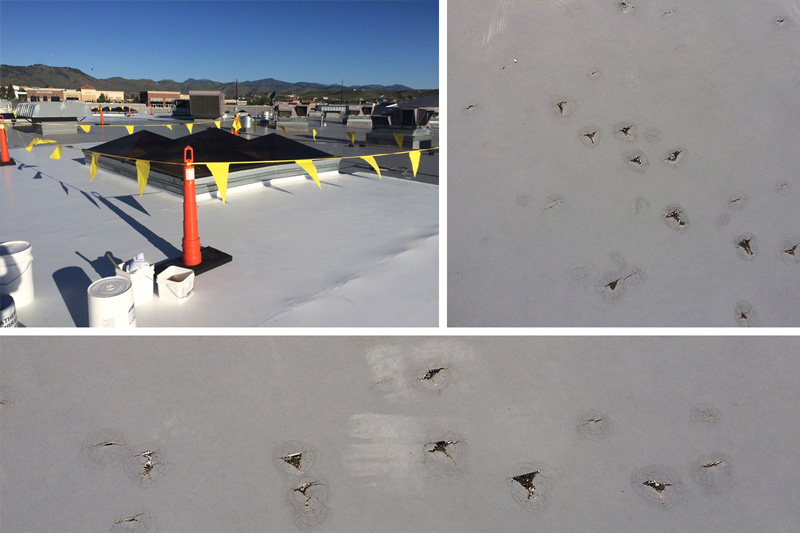
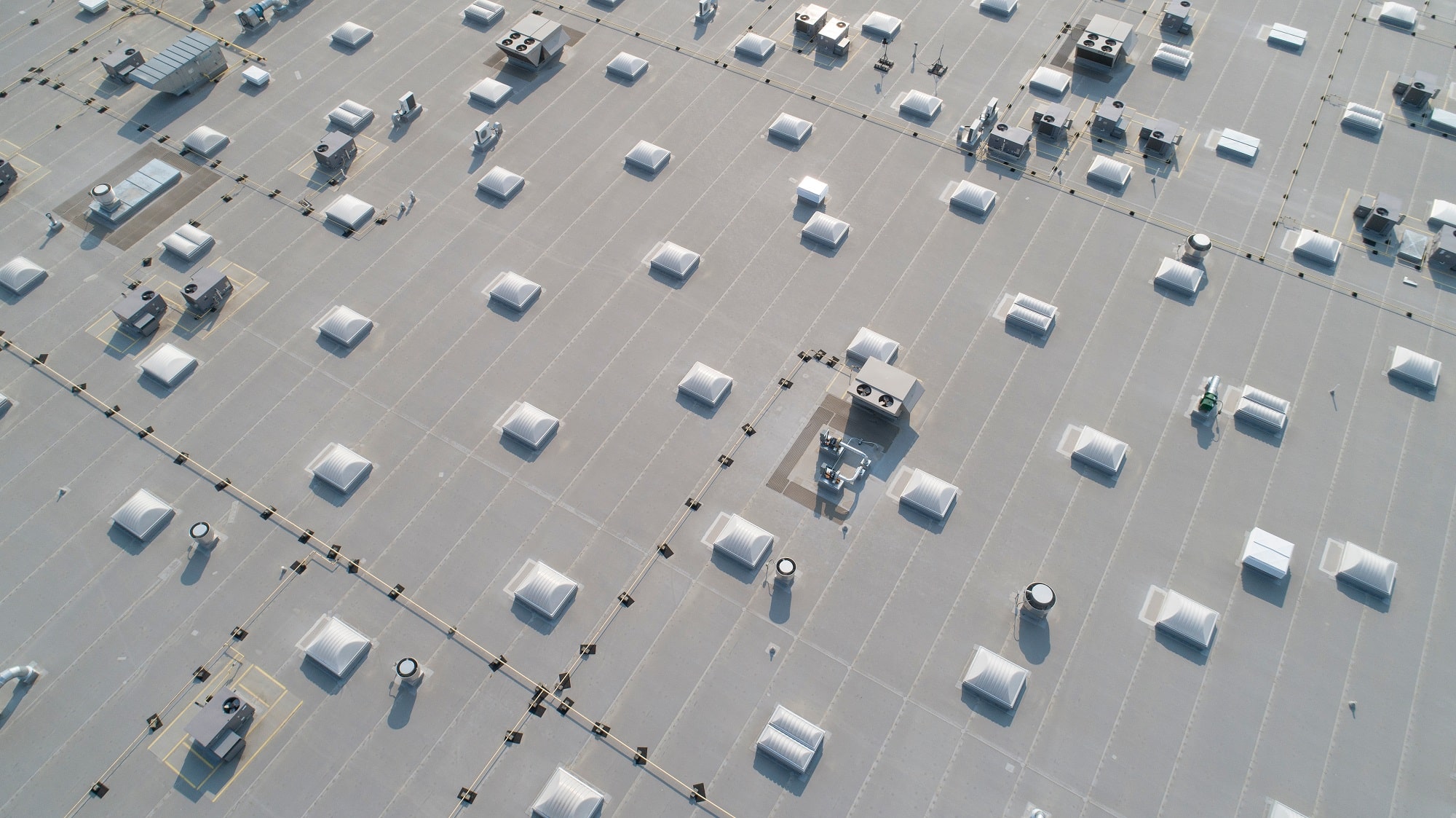
Common leak sources include seams, penetrations, drains, flashings, curbs, walls, and rooftop equipment. HVAC work can also damage a roof. Service technicians may drop tools, drag panels, or create punctures.
Storm debris can create another problem. Branches, screws, metal pieces, and loose rooftop materials can damage the membrane. If drains clog, water can spread across the roof.
A good repair starts with the cause. Patching the wrong spot only delays the next leak.
Flat Roof Repair Options
The right repair depends on the roof system and the damage. A trained commercial roofing contractor should identify the membrane type first.
Common flat roof systems include TPO, PVC, EPDM, modified bitumen, built-up roofing, and coated systems. Each material needs the correct repair method. The wrong material can fail quickly.
Typical repair options may include:
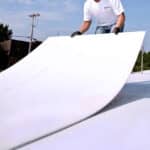
- Heat-welded membrane patches
- Seam repairs
- Flashing repairs
- Drain and scupper detailing
- Pipe boot replacement
- Pitch pocket repairs
- Wet insulation removal
- Coating touch-ups
- Edge metal repairs
- Temporary emergency repairs
Some repairs solve isolated issues. Other repairs buy time while you plan a larger restoration or replacement.
Repair, Restore, or Replace?
Not every leak means you need a new roof. Many flat roofs still have useful life left. A roof inspection can help you choose the right next step.
Repair usually makes sense when damage affects a limited area. It may also work when the roof still has sound insulation and stable membrane sections.
Restoration may fit when the roof has broader wear but remains structurally sound. Roof coatings can help extend service life on certain roofs.
Replacement may make sense when leaks continue, insulation stays wet, or the membrane has reached failure. Replacement may also fit when repairs no longer offer good value.
The best choice depends on roof age, moisture levels, drainage, warranty status, and budget.
Why Preventive Maintenance Matters
Flat roof maintenance helps reduce surprise leaks. It also helps property owners plan capital spending with more confidence.
A maintenance visit should include a visual inspection of the roof surface and key details. It should also check drains, seams, flashings, curbs, penetrations, and rooftop equipment areas.
North American Roofing’s StarCare™ program focuses on inspections, preventative maintenance, documentation, and repair recommendations. This approach helps owners catch issues before they become expensive problems.
Preventive maintenance also supports manufacturer warranty requirements. Many warranties require regular care and documented inspections.
Emergency Flat Roof Repair
A roof leak can disrupt business quickly. Water can damage inventory, equipment, ceilings, flooring, and electrical systems.
Emergency flat roof repair helps reduce immediate damage. Crews can locate the likely leak area, install temporary repairs, and recommend permanent solutions.
Emergency work should never replace long-term planning. Once conditions stabilize, schedule a full inspection. That step helps confirm the cause and prevent repeat leaks.
Choosing a Commercial Flat Roof Repair Contractor
Choose a contractor with commercial flat roof experience. The right commercial roof repair contractor should handle both planned repairs and urgent leak calls. Retail centers, warehouses, medical buildings, and industrial facilities need more than basic repair skills.
Look for a contractor who understands roof systems, safety, documentation, access planning, and tenant needs. The contractor should also know how to work around rooftop equipment and active operations.
Ask these questions before you approve work:
- Do you repair my roof system type?
- Can you document the damage with photos?
- Will you inspect seams, drains, and flashings?
- Do you provide repair recommendations?
- Can you support multiple locations?
- Do you offer maintenance plans?
- Can you respond during emergencies?
The right partner helps you fix today’s issue. They also help you manage tomorrow’s roof risk.
FAQs About Flat Roof Repair
How do I know if my flat roof needs repair?
You may need flat roof repair if you see leaks, stains, ponding water, open seams, or damaged flashing.
Can a flat roof leak get repaired without replacement?
Yes. Many commercial flat roof leaks can be repaired when damage stays limited and the roof remains sound.
What causes flat roof leaks?
Common causes include ponding water, open seams, punctures, clogged drains, damaged flashing, and rooftop equipment issues.
How fast should I repair a commercial roof leak?
Schedule service as soon as you notice a leak. Fast action helps reduce interior damage and business disruption.
How often should a commercial flat roof get inspected?
Most commercial roofs benefit from routine inspections and maintenance. Inspections also help support warranty compliance.
What is the best repair method for a flat roof?
The best method depends on the roof type, damage, age, drainage, and moisture conditions.
Should I repair or replace my flat roof?
Repair may work for isolated damage. Replacement may fit when leaks continue or the system has reached failure.
Schedule Flat Roof Repair Before Damage Spreads
Flat roof problems rarely improve on their own. Small leaks can become larger repairs when water reaches insulation, decking, or interior spaces.
North American Roofing helps commercial property owners inspect, repair, maintain, and plan for roof performance. Whether you need leak response, preventive maintenance, or a long-term strategy, our team can help.
Contact North American Roofing to schedule a commercial flat roof inspection or repair. (800) 551-5602