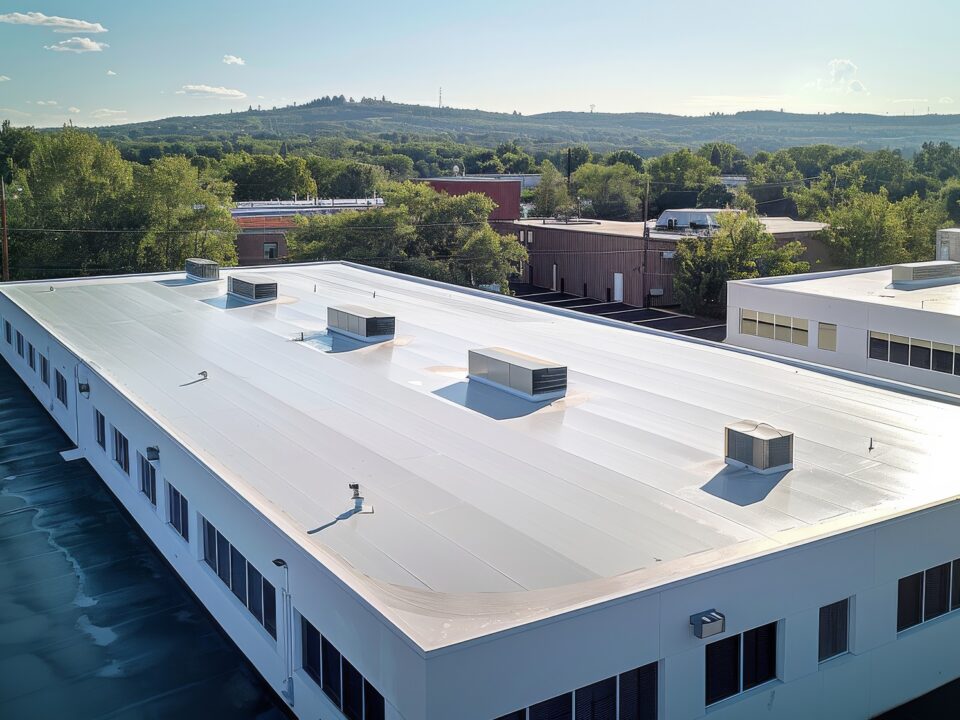
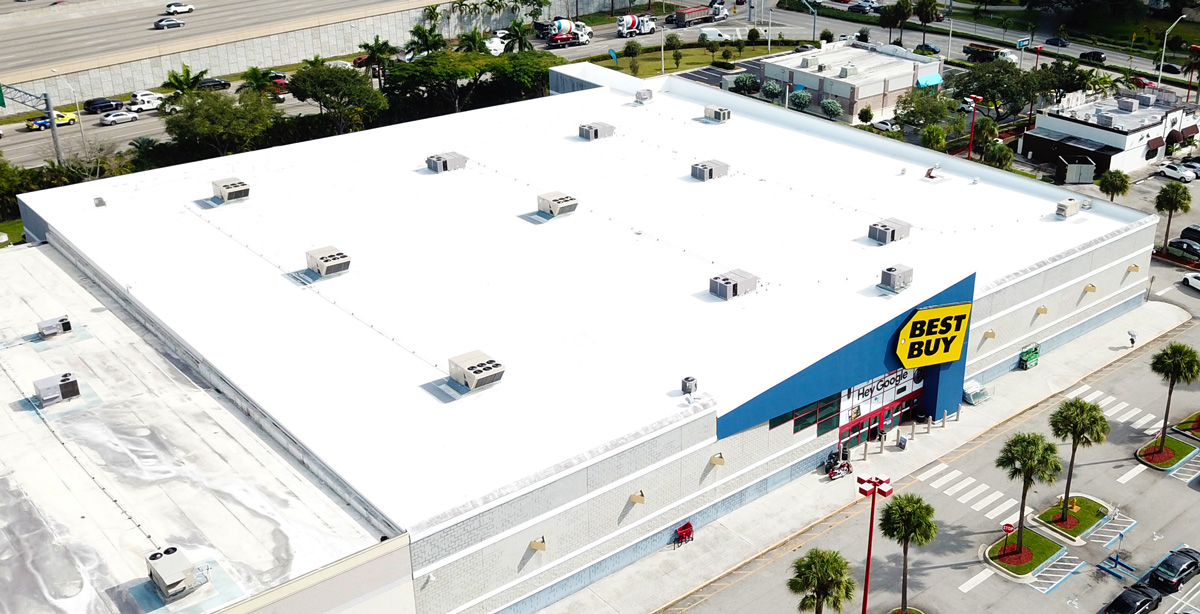
Most commercial roofs last 15 to 30 years, but the real answer depends on several factors. The roof type, installation quality, weather, drainage, and maintenance plan all affect lifespan.
A well-maintained roof can often last much longer than a neglected one. Regular inspections help catch small issues before they cause costly damage.
Common Commercial Roof Lifespans
Different commercial roof systems age in different ways. TPO, PVC, EPDM, modified bitumen, built-up roofing, metal, and coatings each have unique strengths.
Single-ply systems often last 20 years or more with proper care. Metal roofs can last longer, especially when owners address rust, seams, and fasteners early.
Roof coatings can also extend roof life in the right situation. They work best when the existing roof has solid insulation and deck conditions.
What Affects Commercial Roof Life?
Weather plays a major role in roof performance. Sun, wind, rain, hail, heat, and storms can wear down materials over time.
Drainage also matters. Standing water can stress the roof and speed up deterioration. Clogged drains and poor slope can shorten the roof’s service life.
Maintenance makes one of the biggest differences. A small puncture, open seam, or flashing issue can grow into a major leak.
Signs Your Roof May Be Nearing the End
Building owners should watch for repeat leaks, ponding water, open seams, soft spots, and damaged flashing. Rising repair costs can also signal a larger issue.
Interior stains, moldy odors, and wet insulation need quick attention. These problems can spread beyond the roof and affect daily operations.
If these problems keep returning, review when to replace a commercial roof with a qualified roofing contractor.
Repair or Replace?
Some roofs only need targeted repairs. Others need a larger plan. The right decision depends on the roof’s age, condition, leak history, and budget.
A commercial roof repair vs replacement review can help compare both options. Repair may make sense for isolated damage. Replacement may fit better when problems spread across the roof.
Owners should also consider business impact. A planned project usually causes less disruption than repeated emergency repairs.
When Replacement Makes Sense
A roof may need replacement when leaks keep returning. It may also need replacement when insulation stays wet or the membrane breaks down.
A full commercial roof replacement can improve long-term protection and reduce repair surprises. It can also support better drainage, energy performance, and building value.
For owners who want a simple overview, commercial roof replacement explained can help clarify the process and timing.
What Happens During a Replacement Project?
Many owners want to understand what happens during a commercial roof replacement project before they commit. The process usually starts with inspection, planning, material selection, and scheduling.
The roofing team then prepares the site and protects key areas. Crews remove or recover the old system, depending on roof conditions and code requirements.
After installation, the contractor checks details like seams, flashings, drains, edges, and penetrations. A final review helps confirm the project meets the plan.
How to Extend Commercial Roof Life
Schedule roof inspections at least once or twice per year. Also inspect the roof after major storms or unusual weather events.
Keep drains clear, limit unnecessary foot traffic, and fix small issues early. These simple steps can help stretch roof life and protect your budget.
A roof maintenance plan gives owners better visibility. It also helps them plan repairs before problems become urgent. Regular roof inspections and maintenance can help property owners catch small issues early and extend roof performance.
Plan Ahead Before Problems Grow
Commercial roofs rarely fail overnight. Most give warning signs before major problems develop.
Building owners can avoid surprises with inspections, maintenance, and timely repairs. When the roof reaches the end of its useful life, a planned replacement can protect operations and reduce stress.
FAQ
How long does a commercial roof usually last?
Most commercial roofs last 15 to 30 years. The exact lifespan depends on material, installation, weather, drainage, and maintenance.
What type of commercial roof lasts the longest?
Metal roofs often last longer than many membrane systems. However, every roof needs proper installation and routine maintenance.
Can maintenance extend commercial roof life?
Yes. Regular inspections, drain cleaning, and timely repairs can help extend roof performance.
How do I know when to replace a commercial roof?
Consider replacement when leaks return often, repairs increase, insulation stays wet, or the roof shows widespread damage.
Should I repair or replace my commercial roof?
Repair may work for isolated problems. Replacement may make more sense when damage affects large roof areas.